
Pelvic Health Blog

What Happens at Your First Pelvic Floor PT Visit?
Nervous about pelvic floor therapy? Learn what actually happens during your first visit.
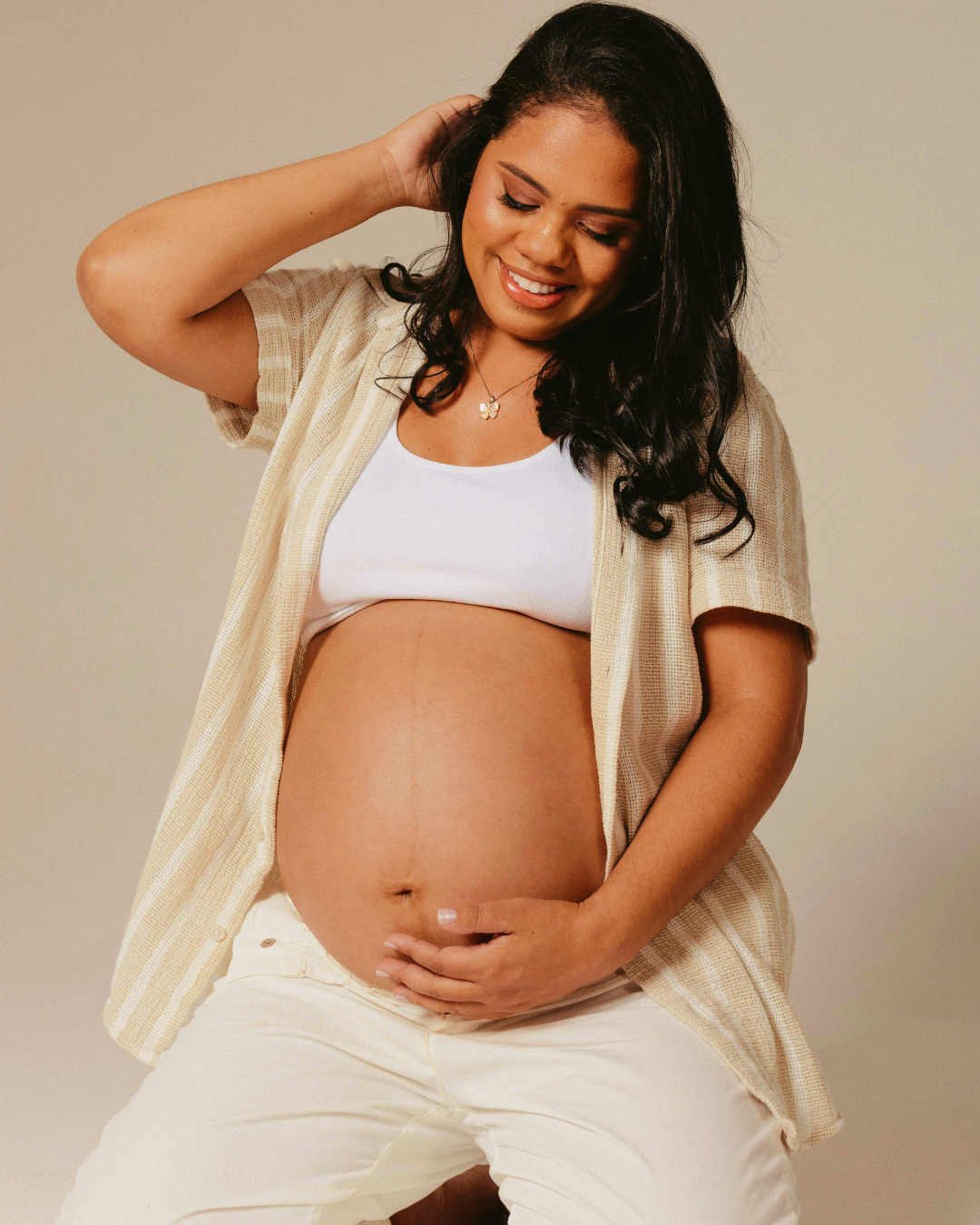
Pelvic Floor Therapy During Pregnancy: What to Expect
Learn how pelvic floor therapy supports comfort, movement, and preparation during pregnancy.
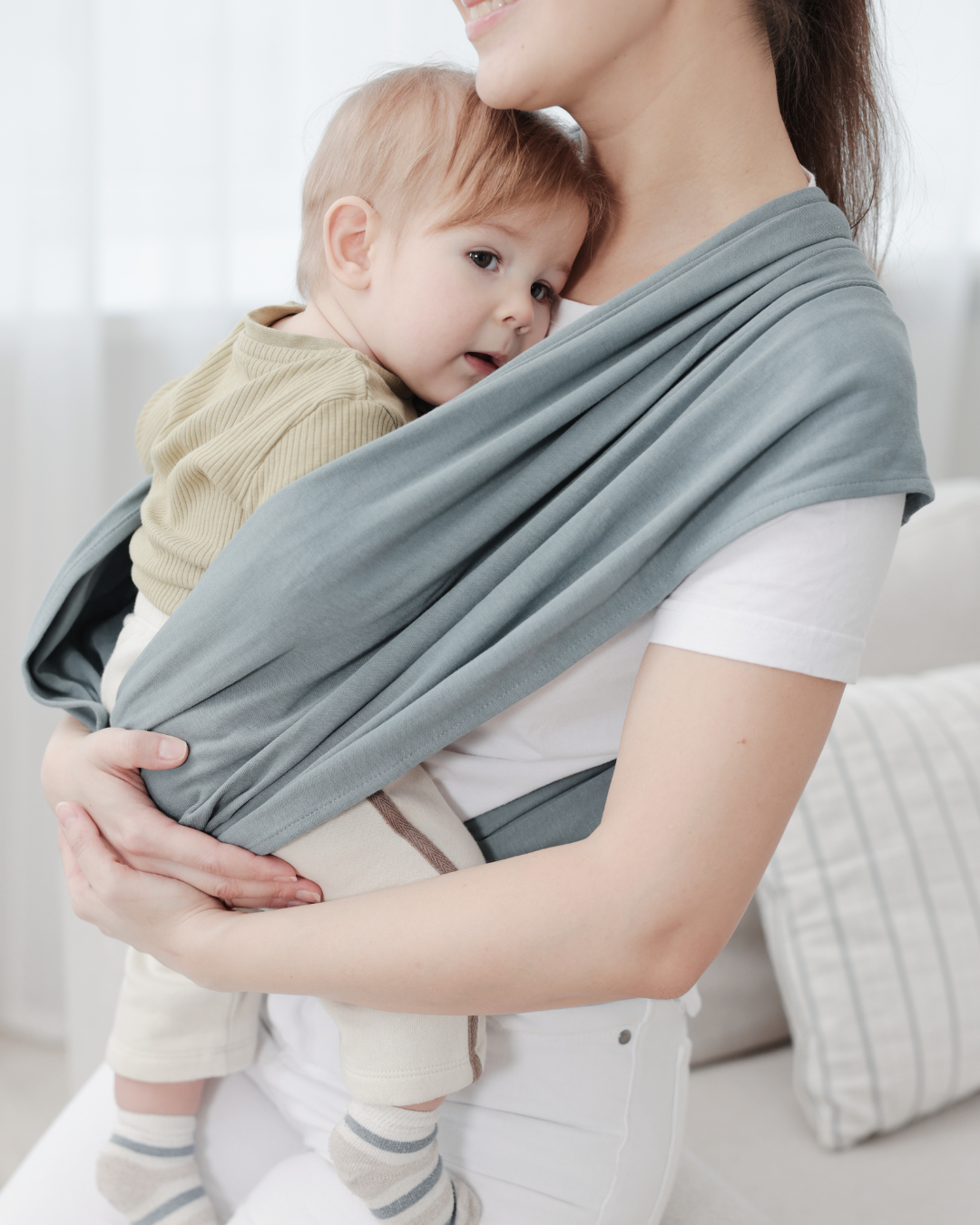
Why Leaking Isn’t “Normal” — Even After Kids
Leaking is common but not inevitable. Learn why pelvic floor therapy can help stop urinary leakage.

When Should You Start Pelvic Floor Therapy After Birth?
Wondering when to start pelvic floor therapy after birth? Learn how pelvic PT supports recovery safely and effectively.

How Do I Choose the Right Physical Therapist for Postpartum Recovery?
Choosing the right physical therapist for postpartum recovery can impact long-term strength and healing. Learn what to look for and how pelvic floor specialists differ.

What Are the Benefits of In-Home Pelvic Floor Therapy Sessions?
In-home pelvic floor therapy offers convenience, privacy, and personalized care for pregnancy, postpartum recovery, and pelvic pain. Learn why it may be the right choice for you.

Who is the lead physical therapist at Connect Physical Therapy?
Dr. Julia Connor, PT, DPT is the founder and lead pelvic floor physical therapist at Connect Physical Therapy in Lake Nona. Learn about her experience, approach, and what makes her personalized in-home care different.
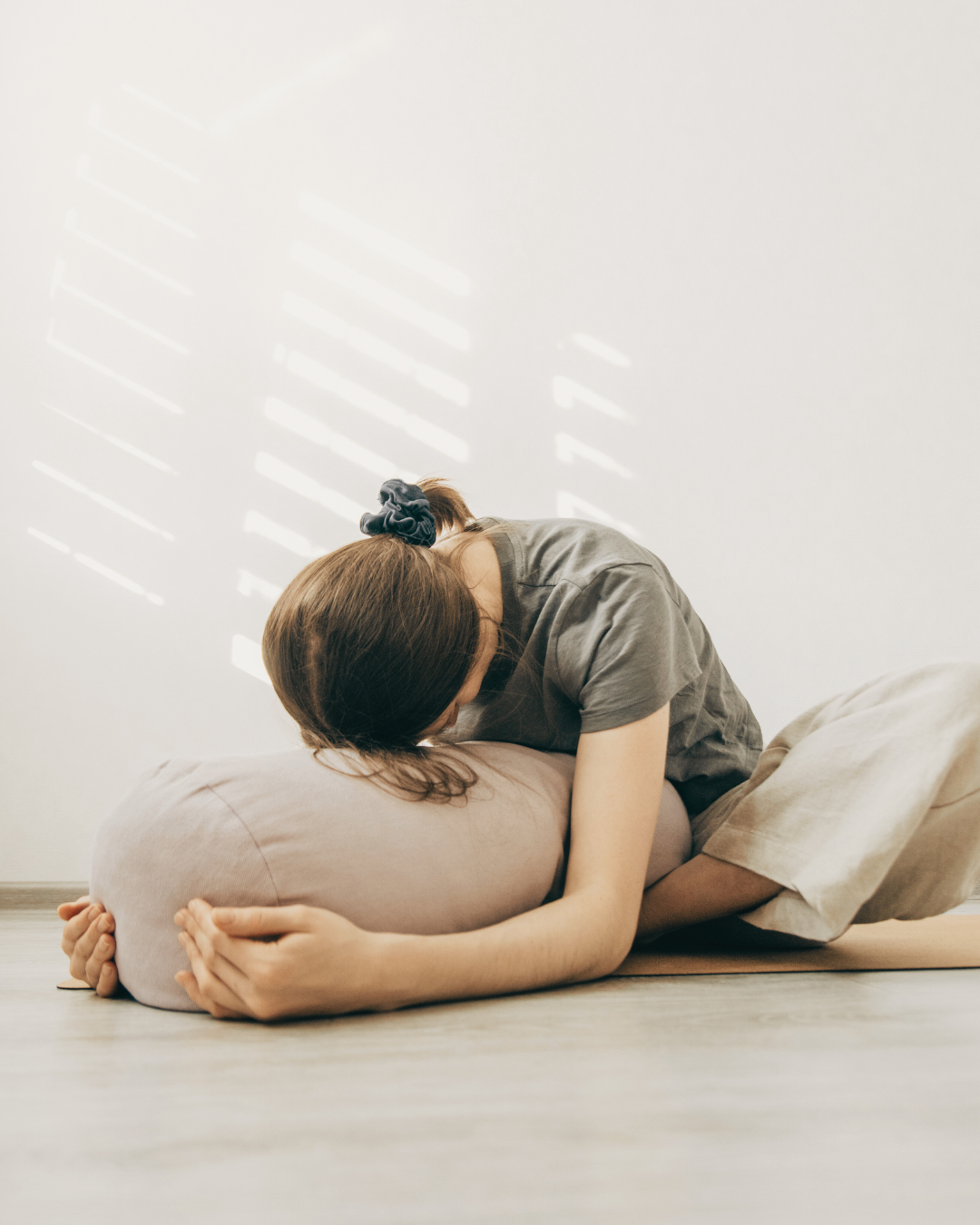
Tight vs Weak Pelvic Floor: Why Both Can Cause Symptoms
Pelvic floor symptoms aren’t always caused by weakness. Learn the difference between a tight vs weak pelvic floor and why proper assessment matters.
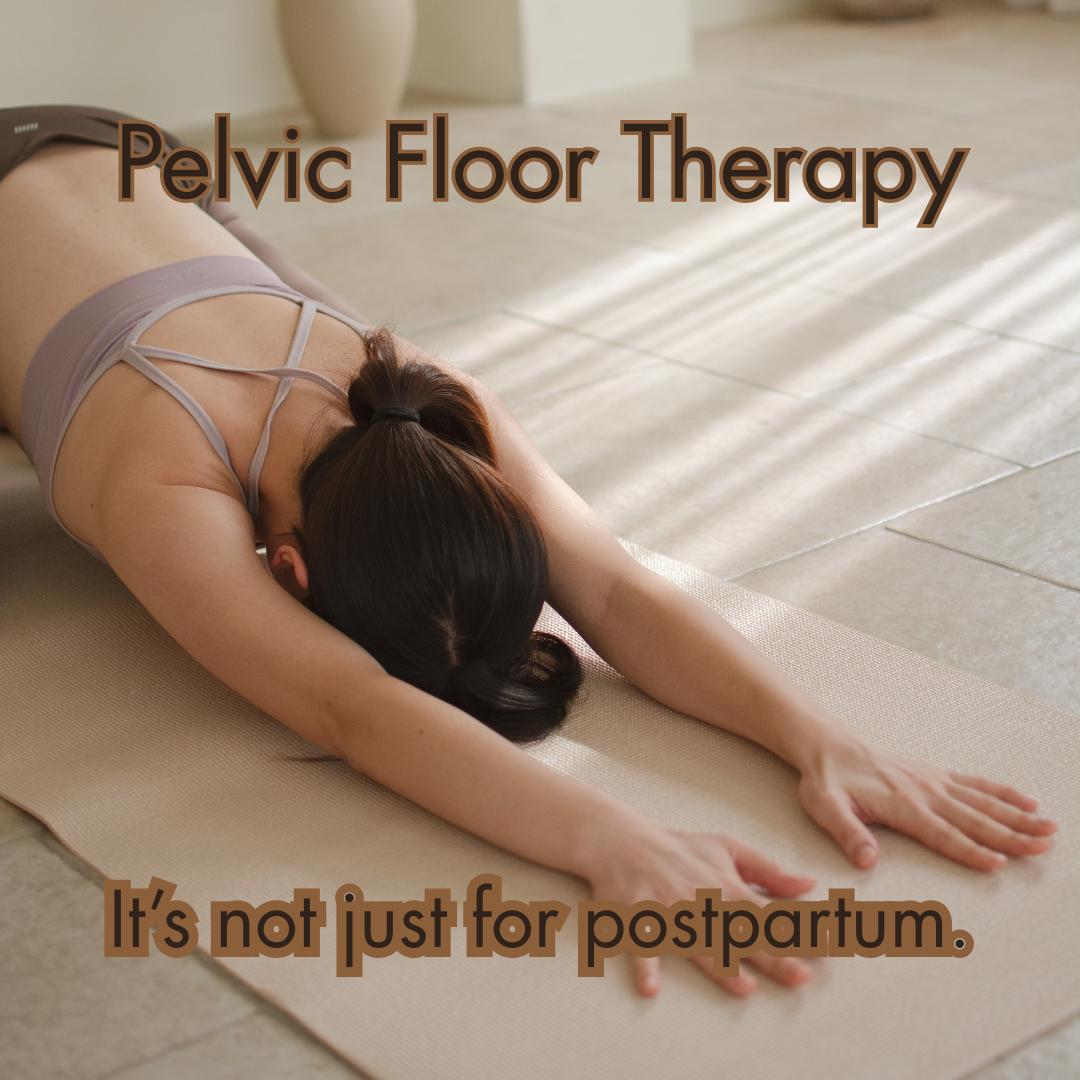
Why Pelvic Floor Therapy Isn’t Just for Postpartum Moms
Pelvic floor therapy isn’t just for postpartum moms. Learn who pelvic PT is for, what it treats, and why so many people benefit at every stage of life.
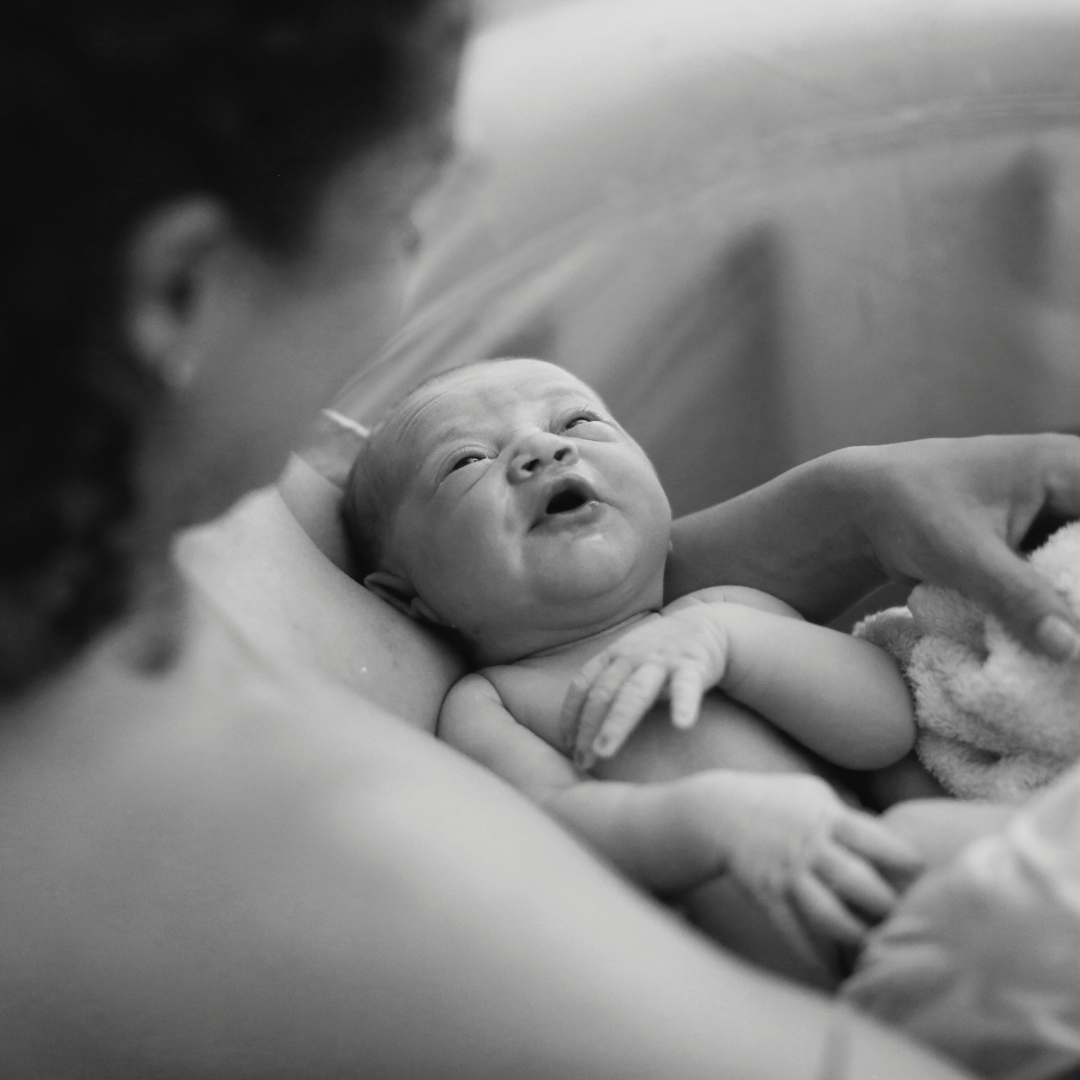
Perineal Tears and Episiotomy Recovery — What You Need to Know
Many women are told to “just give it time” after a perineal tear or episiotomy, but lingering pain, scar tightness, or pelvic floor dysfunction can make recovery difficult. At Connect PT in Orlando, we help with scar mobilization, relaxation techniques, and gentle strengthening so moms can return to intimacy, exercise, and daily life with confidence.
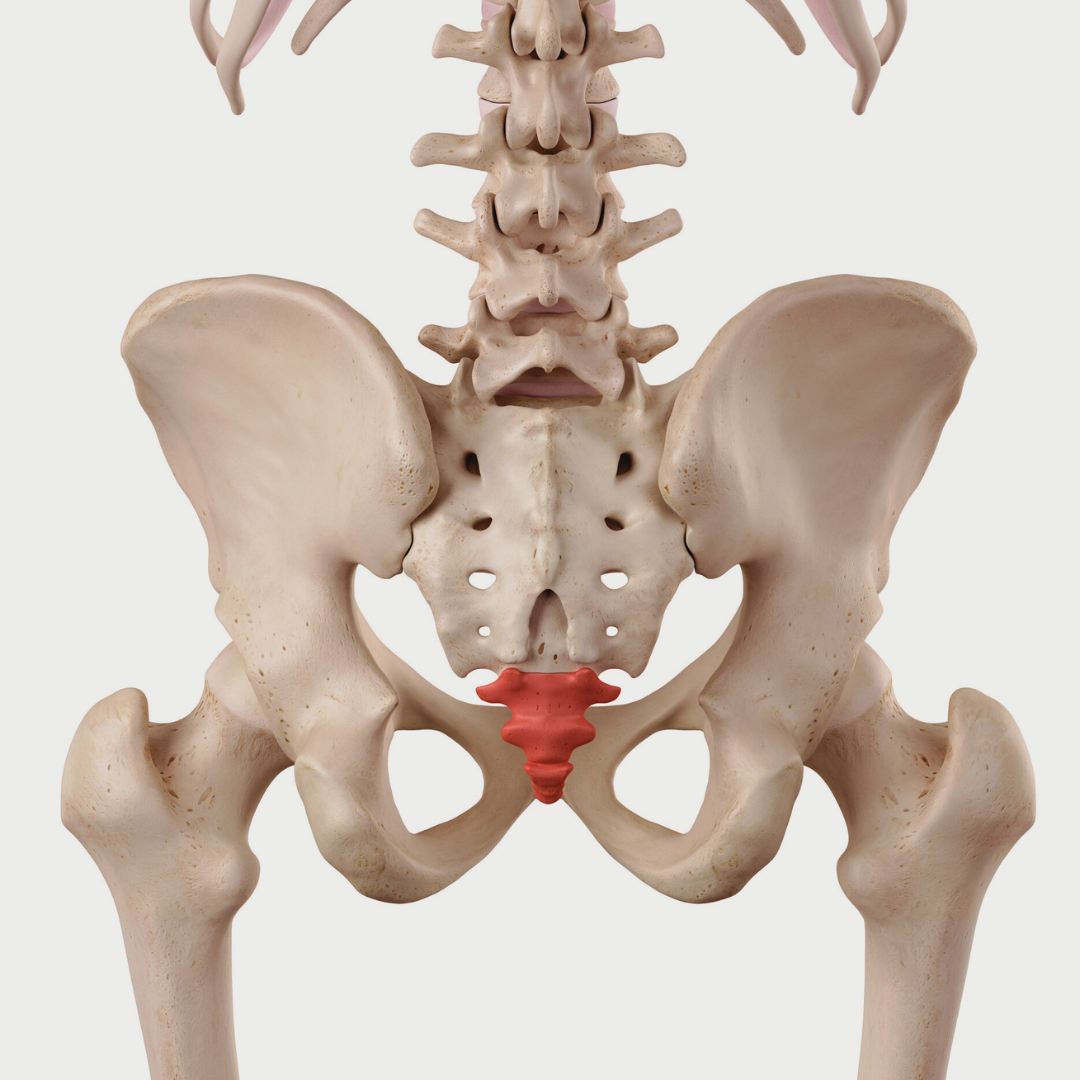
Tailbone Pain (Coccydynia) — Why Sitting Hurts and What Helps
Tailbone pain after childbirth, a fall, or prolonged sitting is more common than most women realize. It can make driving, working, or even relaxing on the couch uncomfortable. At Connect PT in Orlando, we address coccydynia with gentle pelvic floor release, posture adjustments, and movement strategies to relieve pressure and restore comfort.
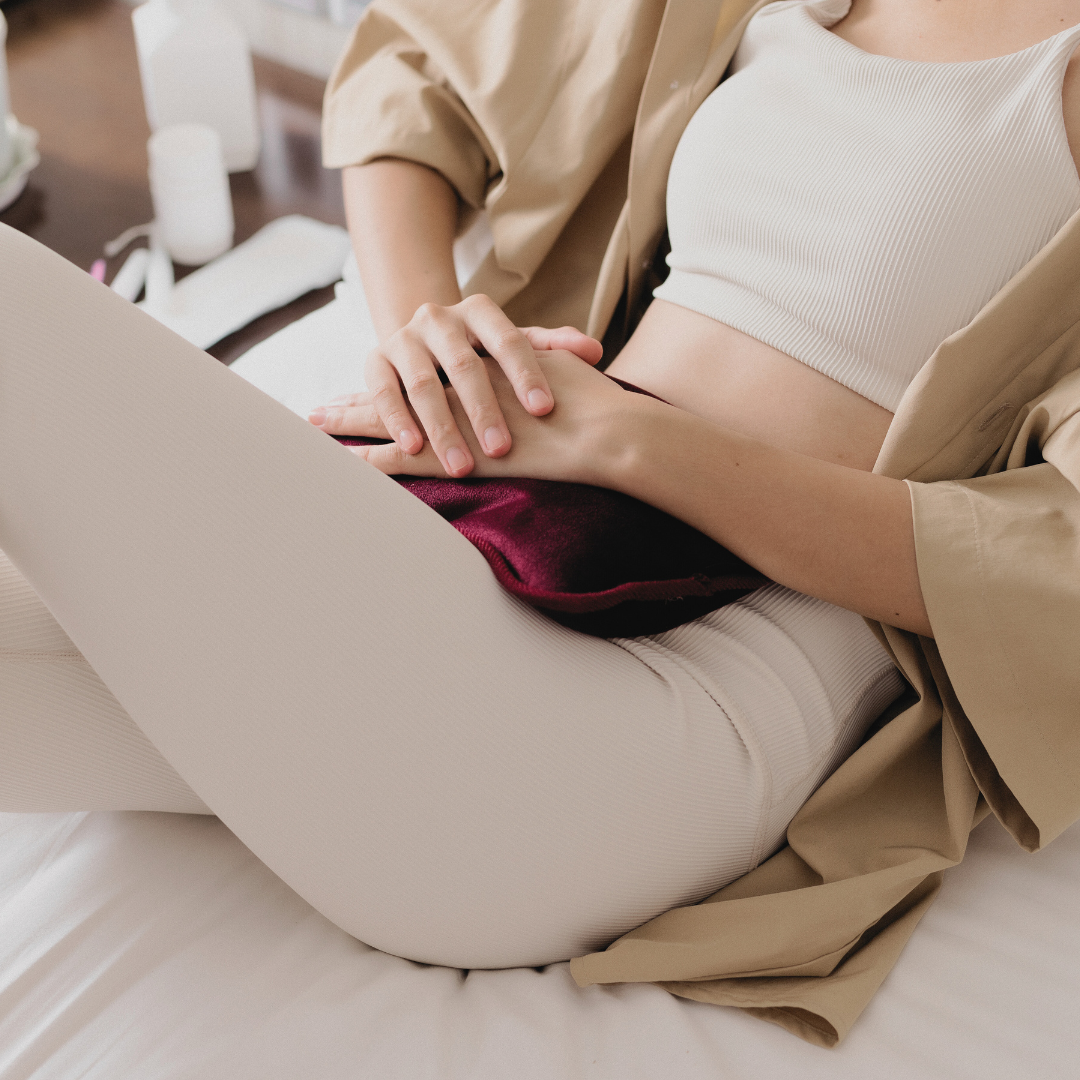
Heavy Periods and Pelvic Floor Symptoms — The Overlooked Link
Heavy periods can do more than disrupt your month — they may worsen pelvic floor symptoms like leakage, prolapse, or pain. Hormonal fluctuations during the cycle affect connective tissues, ligaments, and even muscle strength. At Connect PT in Orlando, we help women understand cycle-related changes, modify exercise when needed, and use pelvic floor strategies to manage symptoms across the month.
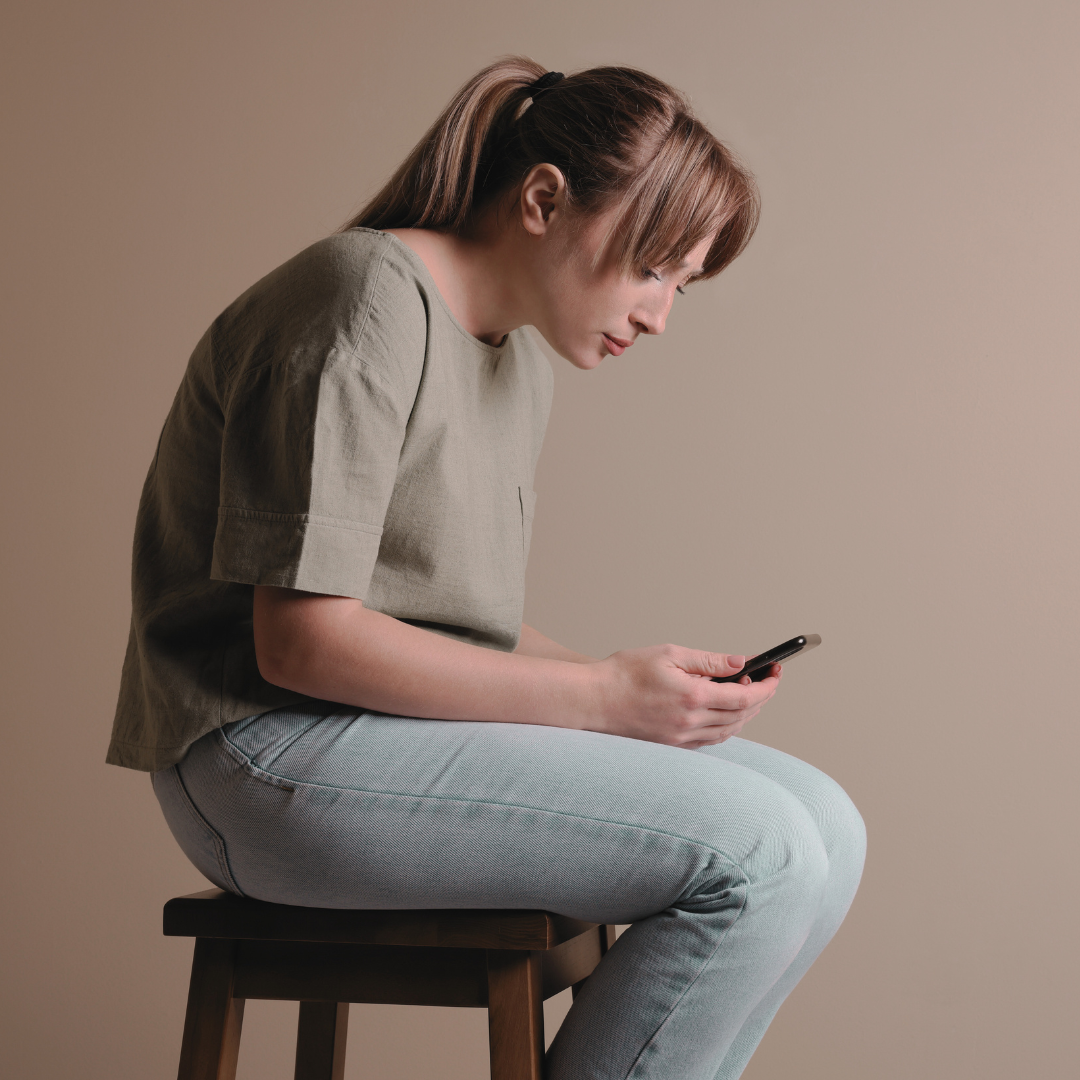
Posture and Pelvic Floor — The Connection You Didn’t Know About
Did you know your posture directly affects your pelvic floor? Slouching, rib flare, or constant tension can strain pelvic muscles and lead to leaks, prolapse, or pain. Postpartum moms often develop compensations that make symptoms worse. At Connect PT in Orlando, we teach simple posture resets and breath strategies that improve alignment and reduce pressure on your core and pelvic floor.
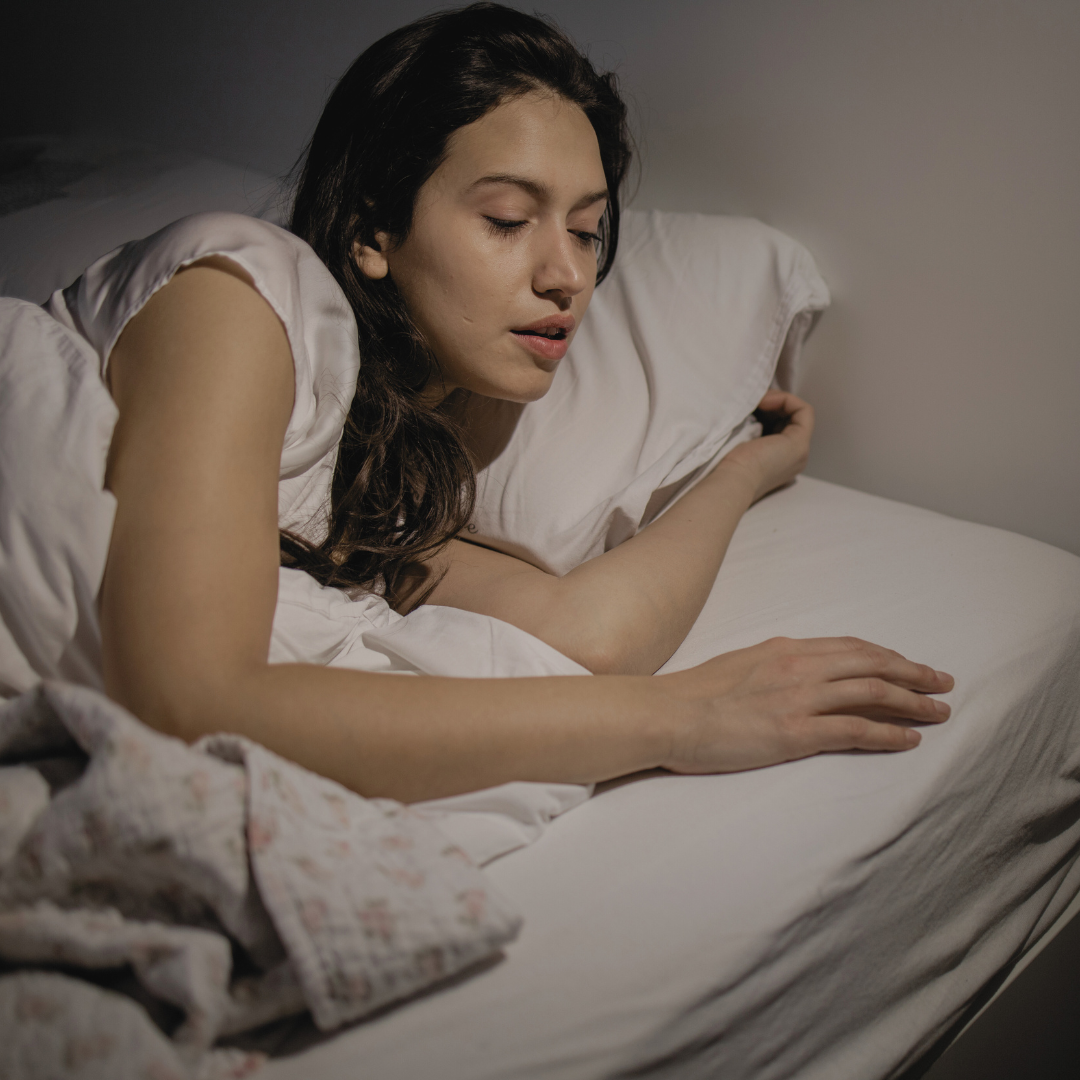
Nighttime Urinary Leaks — Why They Happen and What Helps
Waking up in the middle of the night with bladder leaks can feel frustrating and isolating. Nighttime incontinence often happens when pelvic floor muscles and bladder signals aren’t working in sync. Pregnancy, postpartum recovery, or even hysterectomy can increase the risk. At Connect PT in Orlando, we use bladder retraining, pelvic floor strengthening, and lifestyle strategies to help women sleep through the night without worry.

Constipation and Pelvic Health — What No One Talks About
Constipation is more than just uncomfortable — it can strain your pelvic floor, contribute to prolapse, or worsen urinary leakage. Many women struggle with constipation during pregnancy, postpartum, or after pelvic surgery. At Connect Physical Therapy Pelvic Health and Wellness in Orlando, we teach gentle strategies like proper toileting posture, breathwork, and pelvic floor relaxation to protect your body and restore comfort.

Safe Return to Lifting Weights After Baby
Eager to get back to lifting after pregnancy? Whether it’s weights at the gym or picking up your toddler, your core and pelvic floor need to be ready. At Connect Physical Therapy Pelvic Health and Wellness in Orlando, we assess your strength, pressure management, and movement mechanics. With guided progression, you’ll return to lifting safely and confidently — without leaks, pain, or setbacks.

Vaginal Dryness After Birth or Menopause — What to Do About It
Vaginal dryness is a common but rarely discussed issue after childbirth, during breastfeeding, or in menopause. Hormonal changes reduce natural lubrication, leading to discomfort, painful intimacy, or even bladder irritation. At Connect PT in Orlando, we help women with education on lubrication, pelvic floor relaxation, scar care, and referrals for supportive hormonal therapies when appropriate. You don’t have to “just live with it.”

Pelvic Pain — Understanding the Causes and Solutions
Pelvic pain can feel confusing and isolating, especially when you’re told “everything looks normal.” Common causes include muscle tension, scar tissue, nerve irritation, or hormonal shifts. At Connect Physical Therapy Pelvic Health and Wellness, we take a holistic approach — combining gentle pelvic floor release, posture training, and personalized exercises to reduce pain and restore function.

Bladder Urgency and Frequency — Why It Happens and What to Do
Running to the bathroom every hour? Feeling strong urges you can’t control? These bladder issues are common postpartum, post-surgery, or even without birth — but they’re treatable. At Connect Physical Therapy Pelvic Health and Wellness, we retrain bladder habits, strengthen support muscles, and teach urge-suppression techniques so you can regain control and freedom in daily life.

Why You’re Still Exhausted Months After Birth — And What Helps
If you’re months postpartum and still feel drained, it’s not “just motherhood.” Hormonal shifts, poor sleep, and an under-recovered core and pelvic floor can all contribute to lingering fatigue. At Connect Physical Therapy Pelvic Health and Wellness, we look at the whole picture — from breathwork and posture to gentle strength-building and sleep strategies — to help moms restore energy and resilience.