
Pelvic Floor Symptoms We Treat
Many pelvic floor and musculoskeletal symptoms are more common than people realize — and most are treatable with the right care.
“Dr. Connor has been amazing in helping my pelvic floor recovery journey. ”

Many people begin searching for answers when they notice symptoms such as bladder leaks, pelvic pain, or discomfort with exercise. Others may experience changes during pregnancy, postpartum recovery, or menopause that affect strength, mobility, or confidence in movement.
Pelvic floor physical therapy looks at how the pelvic floor, core, breathing, posture, and overall movement patterns work together to support your body.
If you are experiencing symptoms like the ones below, pelvic floor physical therapy may help.
You may benefit from pelvic floor physical therapy if you experience:
Bladder Leaks or Urgency
• leaking with exercise, coughing, or sneezing
• difficulty holding urine when your bladder is full
• frequent or urgent trips to the bathroom
Pelvic Pain or Pain with Intimacy
• discomfort with intercourse
• pelvic pressure or heaviness
• persistent pelvic or tailbone pain
Pregnancy or Postpartum Recovery
• core weakness or diastasis recti
• returning safely to exercise after baby
• hip, back, or pelvic pain during pregnancy
Orthopedic Pain Related to Pelvic Function
• hip or SI joint pain
• persistent low back pain
• core instability affecting movement
Perimenopause & Menopause Changes
Hormonal shifts during midlife can affect connective tissue, muscle strength, and joint health. Many women experience symptoms such as:
• frozen shoulder
• tendon irritation
• joint stiffness
• changes in pelvic floor function
Physical therapy can help restore strength, mobility, and confidence in movement during this transition.
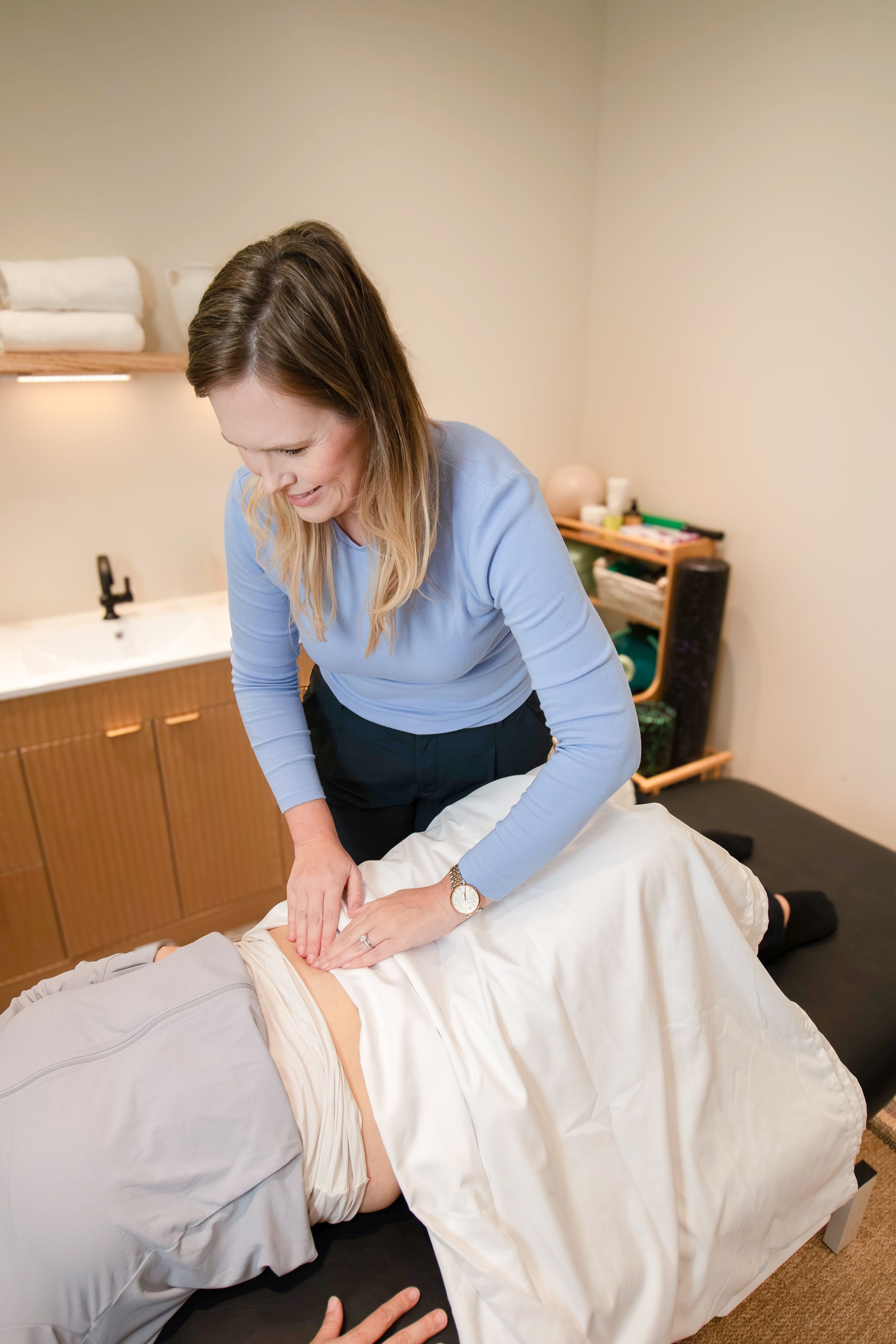
“I had severe ab separation after my large baby and she has helped me see lots of improvement in a short time. She really knows her stuff and is extremely knowledgeable.”
— Crystal
Common Pelvic Floor Symptoms
Bladder Leaks or Urgency
Many people assume bladder leaks are a normal part of aging, exercise, or having children. In reality, these symptoms are often related to pelvic floor muscle coordination and pressure management.
Common symptoms include:
• leaking with exercise, coughing, sneezing, or jumping
• difficulty holding urine when your bladder is very full
• sudden urgency when you get close to the bathroom
• frequent trips to the bathroom during the day or night
Pelvic floor physical therapy can help improve muscle coordination, breathing mechanics, and pressure management so the bladder is better supported during daily activities.
Pelvic Pain or Pain with Intimacy
Pelvic pain can have many causes and is often misunderstood or overlooked. Many people feel discouraged after being told their symptoms are “normal” or difficult to treat.
Symptoms may include:
• pain or discomfort with intercourse
• pelvic pressure or heaviness
• persistent pelvic, hip, or tailbone pain
• pain with sitting or certain movements
Pelvic floor therapy focuses on improving muscle relaxation, mobility, and coordination so the pelvic region can function more comfortably.
Pregnancy & Postpartum Recovery
Pregnancy and childbirth place significant demands on the pelvic floor, core muscles, and surrounding joints. Many women experience changes in strength, stability, or movement patterns during this time.
Common concerns include:
• core weakness or diastasis recti
• pelvic heaviness or pressure
• leaking during exercise or daily activities
• returning safely to running, strength training, or fitness after baby
• hip, back, or pelvic pain during pregnancy or postpartum recovery
Pelvic floor physical therapy helps restore strength, coordination, and confidence so you can return to movement safely.
Orthopedic Pain Related to Pelvic Function
The pelvic floor does not function in isolation. It works closely with the core, hips, spine, and breathing muscles to stabilize the body during movement.
When these systems are not working together efficiently, symptoms may appear in other areas of the body.
Common orthopedic concerns include:
• hip pain or SI joint pain
• persistent low back pain
• abdominal weakness affecting movement
• instability during walking, running, or exercise
Treatment focuses on improving whole-body mechanics to reduce strain and restore efficient movement.
“I had excruciating SI pain and she quickly helped identified what was causing my pain and how to alleviate the symptoms. ”
Perimenopause & Menopause Changes
“The work Julia did on my shoulder is the main reason I have most of my mobility back, she was very knowledgeable about my injury and understood what kind of work it needed to repair it.”
Hormonal changes during midlife can affect connective tissue, muscle strength, and joint health in ways that many women are not aware of.
Researchers are increasingly recognizing what is sometimes referred to as the musculoskeletal syndrome of menopause, where hormonal shifts influence joint stability, tendon health, and muscle function.
Women may experience symptoms such as:
• frozen shoulder
• tendon irritation or persistent joint pain
• stiffness in the hips, shoulders, or back
• changes in pelvic floor function
• decreased strength or stability during movement
Pelvic floor and orthopedic physical therapy can help improve strength, mobility, and movement patterns so the body feels supported during this transition.
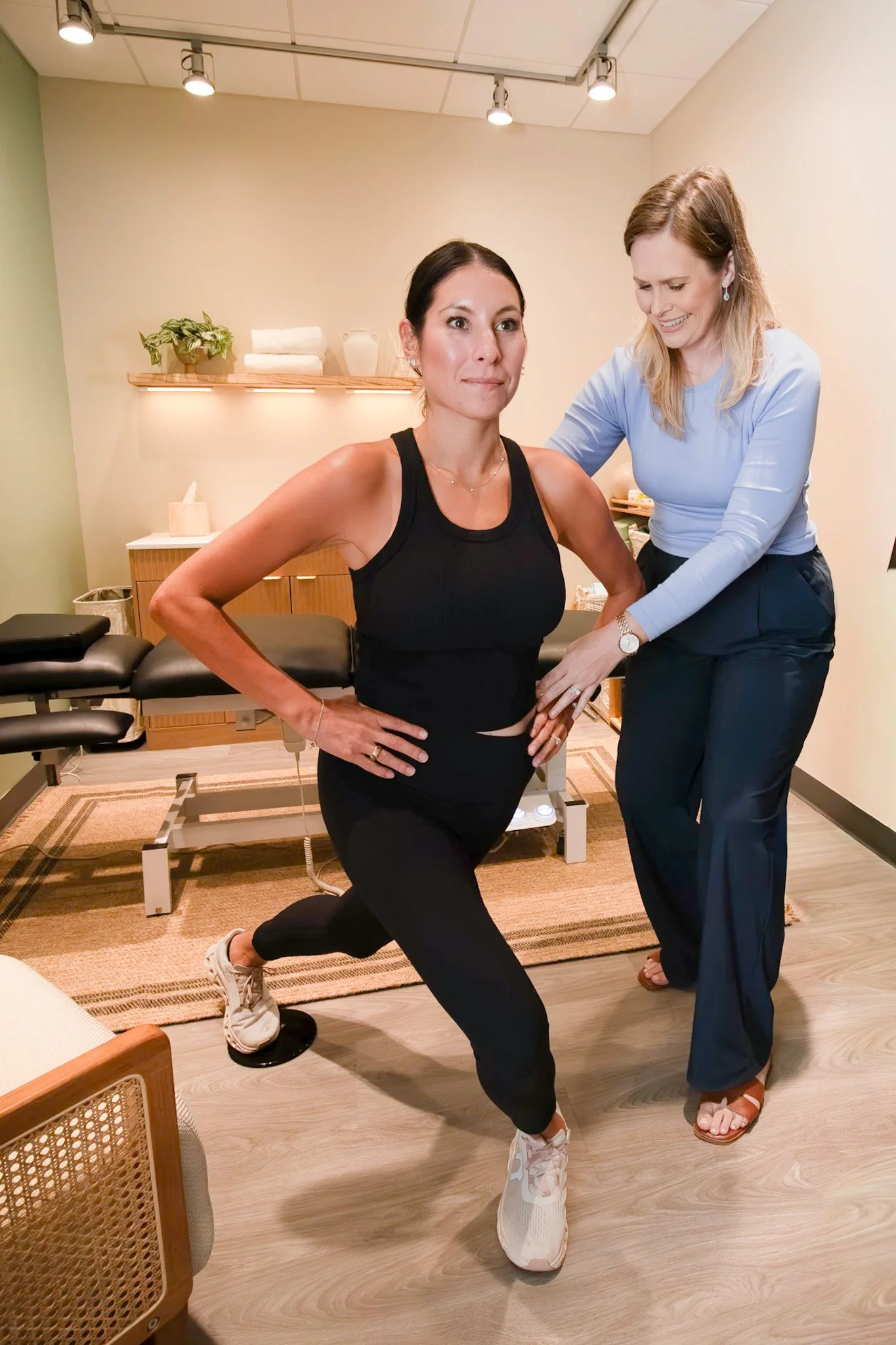
A Whole-Body Approach to Pelvic Health
Pelvic floor symptoms are rarely caused by just one structure in the body.
Effective treatment often involves addressing multiple factors, including:
• breathing mechanics
• core coordination
• posture and movement patterns
• hip and spine mobility
• strength and pressure management
By looking at how these systems work together, pelvic floor physical therapy can help address the root cause of symptoms rather than only the surface problem.