 Image 1 of 1
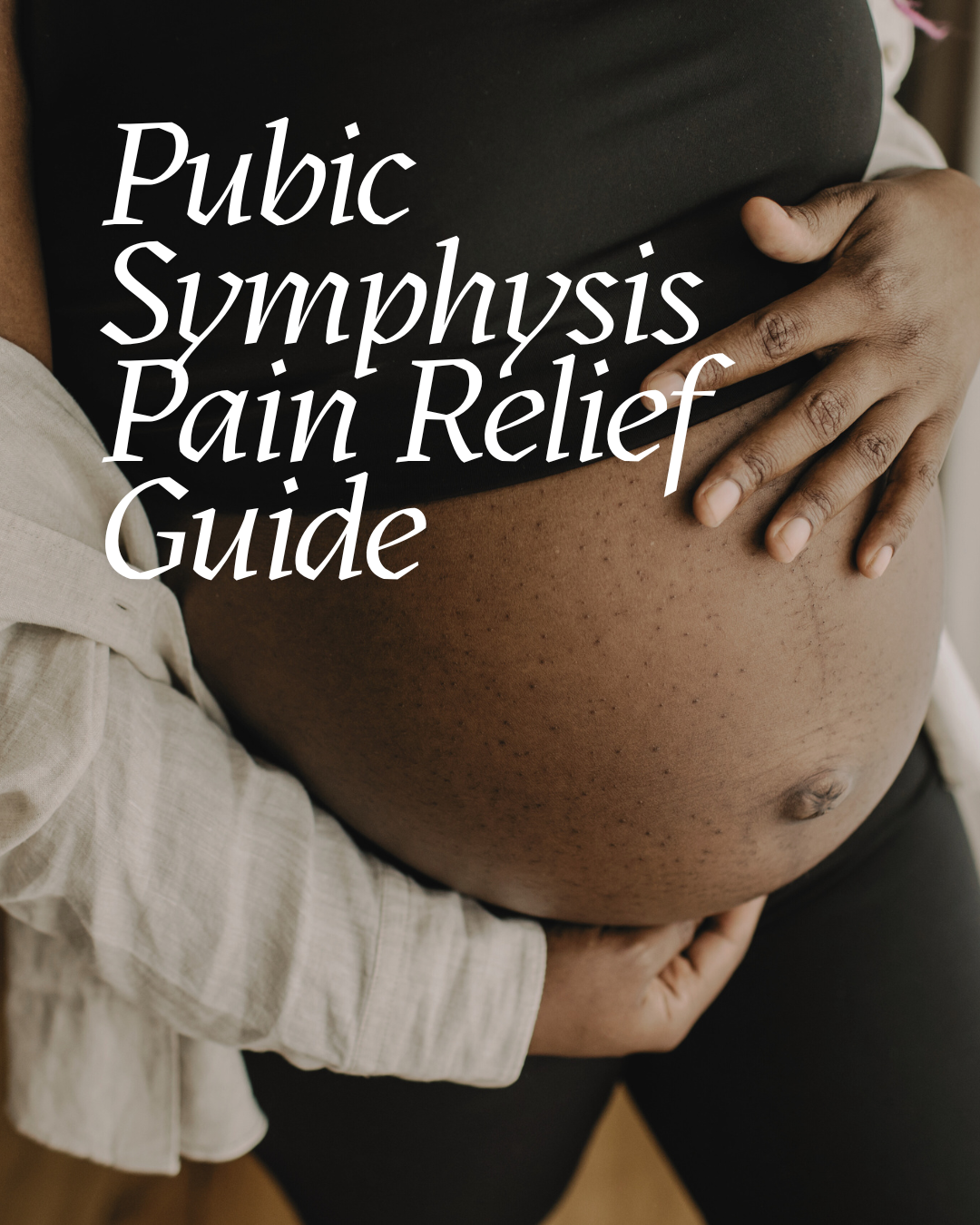
Struggling with pubic symphysis pain during pregnancy or postpartum?
This free, physical therapist–created PDF provides clear, evidence-based strategies to help reduce pelvic pain, improve daily movement, and protect your pelvis from further irritation.
Pubic symphysis dysfunction (also known as SPD or pelvic girdle pain) is common during pregnancy and after childbirth — but pain does not mean you have to stop moving altogether. Knowing how to move matters.
This guide walks you through safe, practical modifications for everyday activities so you can move with more confidence and less discomfort.
Safe ways to get in and out of bed using pelvic-friendly techniques
Sitting, standing, and walking tips to minimize pelvic shear forces
Car transfer strategies that reduce pubic bone pain
Stair, household task, and dressing modifications
Exercise guidelines — what to avoid and what to focus on instead
Sleep and sexual positioning suggestions for pelvic comfort
When pain is a signal to modify activity
Pregnant women experiencing pubic symphysis pain or SPD
Postpartum women with pelvic instability or pelvic pain
Anyone searching for non-invasive, conservative treatment options for pelvic girdle pain
Patients looking for pelvic floor physical therapy–approved guidance
✔️ Created by a Doctor of Physical Therapy specializing in pelvic health
✔️ Focuses on real-life movements — not just exercises
✔️ Supports healing while keeping you active and independent
✔️ Easy-to-read, printable, and mobile-friendly
📄 2-page downloadable PDF
📱 Quick-reference format for daily use
🩷 Evidence-based education from a pelvic health expert
This guide is for educational purposes only and does not replace individualized medical care. If pubic symphysis pain persists or worsens, a pelvic health physical therapist can provide personalized treatment and hands-on support.
👉 Download your free Pubic Symphysis Pain Relief Guide today and start moving with less pain and more confidence.
Struggling with pubic symphysis pain during pregnancy or postpartum?
This free, physical therapist–created PDF provides clear, evidence-based strategies to help reduce pelvic pain, improve daily movement, and protect your pelvis from further irritation.
Pubic symphysis dysfunction (also known as SPD or pelvic girdle pain) is common during pregnancy and after childbirth — but pain does not mean you have to stop moving altogether. Knowing how to move matters.
This guide walks you through safe, practical modifications for everyday activities so you can move with more confidence and less discomfort.
Safe ways to get in and out of bed using pelvic-friendly techniques
Sitting, standing, and walking tips to minimize pelvic shear forces
Car transfer strategies that reduce pubic bone pain
Stair, household task, and dressing modifications
Exercise guidelines — what to avoid and what to focus on instead
Sleep and sexual positioning suggestions for pelvic comfort
When pain is a signal to modify activity
Pregnant women experiencing pubic symphysis pain or SPD
Postpartum women with pelvic instability or pelvic pain
Anyone searching for non-invasive, conservative treatment options for pelvic girdle pain
Patients looking for pelvic floor physical therapy–approved guidance
✔️ Created by a Doctor of Physical Therapy specializing in pelvic health
✔️ Focuses on real-life movements — not just exercises
✔️ Supports healing while keeping you active and independent
✔️ Easy-to-read, printable, and mobile-friendly
📄 2-page downloadable PDF
📱 Quick-reference format for daily use
🩷 Evidence-based education from a pelvic health expert
This guide is for educational purposes only and does not replace individualized medical care. If pubic symphysis pain persists or worsens, a pelvic health physical therapist can provide personalized treatment and hands-on support.
👉 Download your free Pubic Symphysis Pain Relief Guide today and start moving with less pain and more confidence.