Meet Dr. Julia Connor

Doctor of Physical Therapy. Pelvic Health Specialist. Mother. Advocate.


Founder & Lead Physical Therapist

Dr. Julia Connor is the founder and lead physical therapist at Connect Physical Therapy Pelvic Health & Wellness. She holds a Doctorate in Physical Therapy and has advanced training in pelvic health, pregnancy, postpartum recovery, and orthopedic rehabilitation.

But more than credentials—she understands this work personally.

As a mother, she knows firsthand the physical and emotional changes that come with pregnancy, birth, and postpartum recovery. As a physical therapist, she combines that lived experience with clinical expertise to help women move with less pain, build strength, and feel confident in their bodies again.

Her approach combines:

• Pelvic floor rehabilitation backed by current research
• Movement assessment to identify the root cause of symptoms
• Breathing strategies to improve core and pelvic floor function
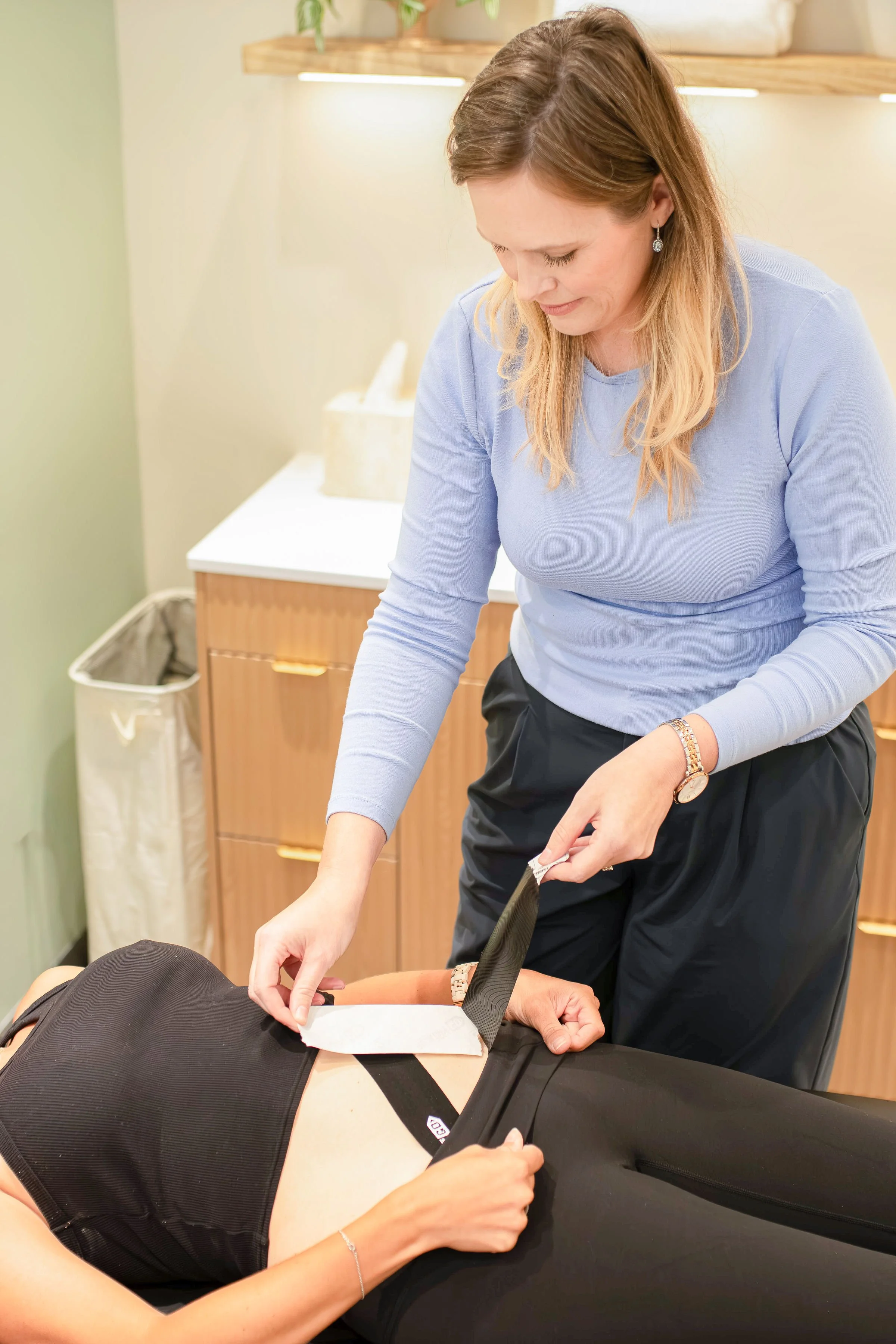
• Hands-on treatment to reduce pain and improve mobility
• Exercise programs tailored to your body, goals, and lifestyle
• Education that helps you understand what's happening—and how to move forward with confidence

Every treatment plan is individualized. There are no cookie-cutter programs, no rushed appointments, and no passing you from one provider to another.


Why I Created Connect Physical Therapy

After working in traditional physical therapy settings, I began to notice a pattern that didn't sit right with me. Many patients were being seen in fast-paced clinics where appointments were short and therapists were often responsible for multiple people at the same time. While that model can work for some situations, it rarely provides the time needed to truly understand a person's story, movement patterns, and goals. Physical therapy is most effective when there's time to listen, assess the whole body, and guide movement with intention—not when care feels rushed or divided.

At the same time, I saw many women navigating pelvic and musculoskeletal concerns that were frequently dismissed, minimized, or misunderstood. Issues like bladder leaks, pelvic pain, painful intimacy, persistent low back or hip pain, and core weakness after pregnancy were often brushed off as "normal after having kids." Many women were told these were simply things they had to live with.

But these symptoms can have a significant impact on daily life, confidence, exercise, relationships, and overall quality of life—and in many cases, they are highly treatable with the right care.

I also began to see another group of women facing similar challenges during perimenopause and menopause. Hormonal changes can affect connective tissue, muscle strength, and joint health in ways that many people don't realize. Conditions such as frozen shoulder, tendon irritation, joint stiffness, and persistent orthopedic pain are increasingly recognized as part of what some researchers describe as the musculoskeletal syndrome of menopause. Yet many women are never told that hormonal changes may be contributing to their symptoms, leaving them searching for answers instead of receiving appropriate care.

Watching this over and over again changed the way I believed physical therapy should be delivered. I knew I wanted to create a practice where patients had the time, support, and individualized care they deserved.

A woman with long blonde hair sitting on stone steps outside a building, holding a pink magazine, smiling at the camera.

I created Connect Physical Therapy to offer a different kind of care.

My goal was to build a practice where patients receive unrushed, one-on-one time with a doctor of physical therapy, allowing us to fully evaluate how the pelvic floor, core, breathing mechanics, posture, and overall movement patterns work together. Instead of rotating through multiple providers or rushing through exercises, each session is focused entirely on you — your symptoms, your lifestyle, and your long-term health.

Connect Physical Therapy was also created to provide a safe, welcoming space where women feel heard and supported when discussing health concerns that are often overlooked or normalized. Whether someone is preparing for birth, recovering postpartum, navigating pelvic pain, rebuilding strength after injury, or managing musculoskeletal changes related to menopause, my goal is to provide thoughtful, evidence-based care that helps people feel strong and confident in their bodies again.

I designed my private office to be a calm, welcoming environment where you can step away from the demands of everyday life and focus completely on your recovery. Every visit is one-on-one and tailored to your goals, with the time and attention needed to address the root cause of your symptoms—not just treat them temporarily. For patients who prefer the convenience of care at home, concierge mobile visits are also available in select areas.

Connect Physical Therapy was created with a simple mission:
to provide individualized, compassionate care that gives patients the time, attention, and expertise they deserve.

Dr. Julia Connor Physical Therapist in Orlando, FL

A Few Things About Me

Outside of my work as a physical therapist, my greatest joy is my family. My husband Matt and I are raising our two daughters, Bryn (6) and Hadley (2), who keep life lively, curious, and full of laughter.

I love being near the water, especially at the beach, and I enjoy planning trips and exploring new places.

When I’m relaxing at home, I enjoy watching travel videos and dreaming about future destinations. I’m also a fan of a good suspense story — one of my favorite movies is the classic Rear Window.

Another hobby of mine is planning themed birthday parties for my girls. I enjoy the creative process of choosing a theme and bringing together all the little details that make the day feel special.

My Christian faith is an important part of my life and shapes the way I approach both my work and relationships. It reminds me to treat every person with compassion and respect, and I often spend time in prayer asking for wisdom to care for my patients well and support them on their path to healing.

At the heart of it all, my personal life reflects the same values I bring into my work as a physical therapist — family, connection, creativity, and helping people feel their best so they can enjoy the things they love most.

What I Hope Every Patient Leaves With

My goal as a physical therapist goes beyond reducing pain or improving strength. Of course those things matter, but I hope every patient leaves our time together with something even more important — a deeper understanding of their body and confidence in how it moves.

Many people come to pelvic floor therapy feeling frustrated, discouraged, or unsure of what is happening in their body. Sometimes they’ve been told their symptoms are simply “normal,” or that there isn’t much that can be done. One of the most meaningful parts of my work is helping patients realize that their bodies are capable of healing, adapting, and becoming stronger.

I want every patient to leave feeling:

A woman with shoulder-length hair smiling while holding a plush toy, standing against a beige wall near a staircase outside a building.

Whether someone is preparing for birth, recovering postpartum, navigating pelvic pain, or adjusting to changes that come with menopause, my hope is that they walk away feeling more confident in their body and encouraged about the path ahead.